ENCLOSURE INTELLIGENCE

Rittal Enclosure Systems for Connected Industrial Control

Coordinate cabinets, climate control, cable entry and operating data around the real constraints of a panel build. Our engineering desk helps contractors and integrators document protection needs before a bill of materials reaches procurement.
Explore Enclosures
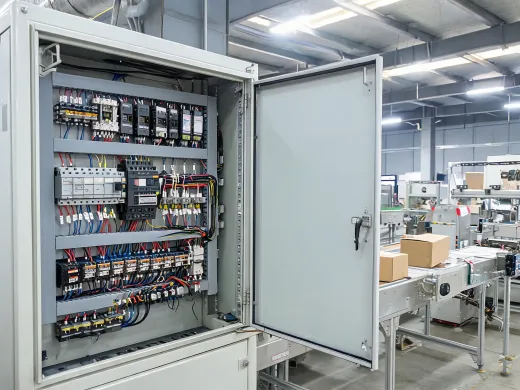
Connected industrial enclosure beside an automated production line
IP / NEMAProtection class reviewed by series
SCCRAssembly-level coordination input
50/60 HzPower environment captured
UL / IECMarket scope checked per product
SPECIFICATION WORKSPACE

Group the decisions that govern enclosure performance

A cabinet is not selected by dimensions alone. The grouped matrix keeps environmental protection, heat load, electrical integration and service access visible in one engineering conversation.

Decision groupInputs to documentVerification checkpoint
Environmental boundaryIndoor or outdoor location, dust, washdown, corrosion exposure, ambient temperatureConfirm applicable IP rating or NEMA enclosure type for the chosen series.
Thermal pathComponent losses, solar gain, target internal temperature, airflow restrictionsCalculate heat balance and apply temperature derating before sizing cooling.
Electrical interfaceRated voltage, frequency, prospective fault current, cable entry and groundingEvaluate SCCR at the assembled-panel level; an enclosure alone does not establish it.
Lifecycle accessDoor swing, lock method, spare rail space, filter and fan service clearanceReview a dimensioned layout with maintenance personnel before release.
OPERATING CONTEXT

Cabinet architectures shaped around the installation

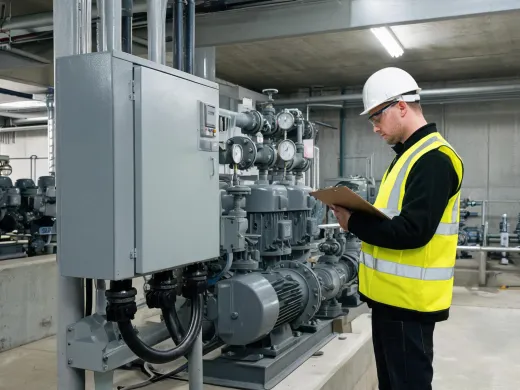
Automation cabinet commissioning

OEM Machinery

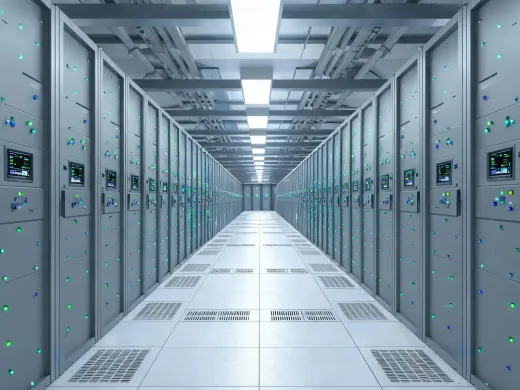
Data center infrastructure enclosures

Data Centers

Water treatment control cabinets

Water Treatment

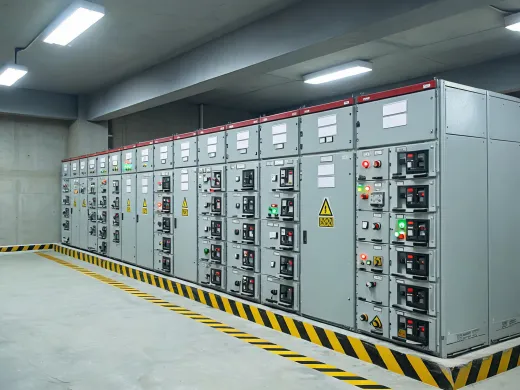
Utility distribution cabinet

Energy Infrastructure

FROM HEAT LOAD TO HANDOFF

Bring the application data; leave with a reviewable enclosure brief

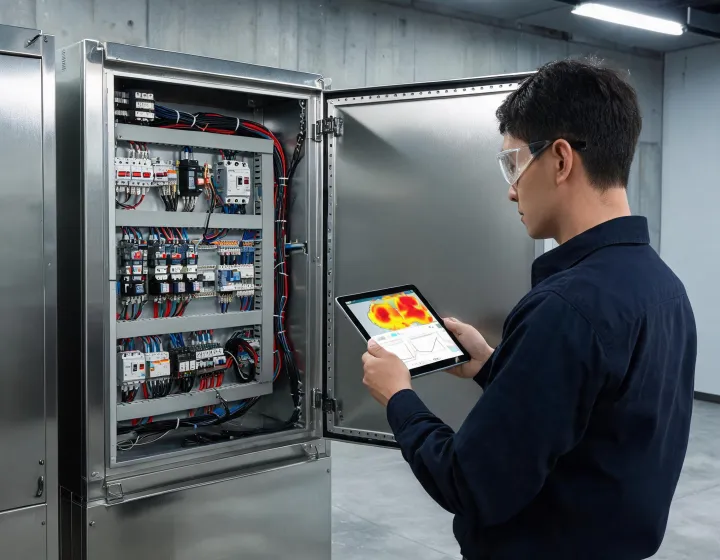
Share installation conditions, panel dimensions, component heat losses and cable routing constraints. The response identifies missing inputs, relevant verification points and the next documentation step.

  • Protection-class boundary review
  • Cooling and derating assumptions
  • Assembly layout and service-access notes

Submitting this form confirms acceptance of our Privacy Policy.